About Anemometer Wireless
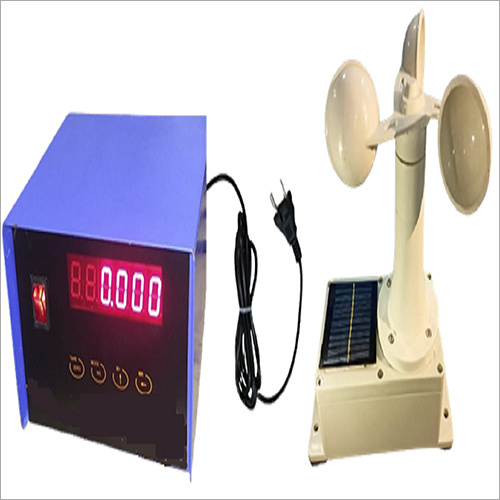
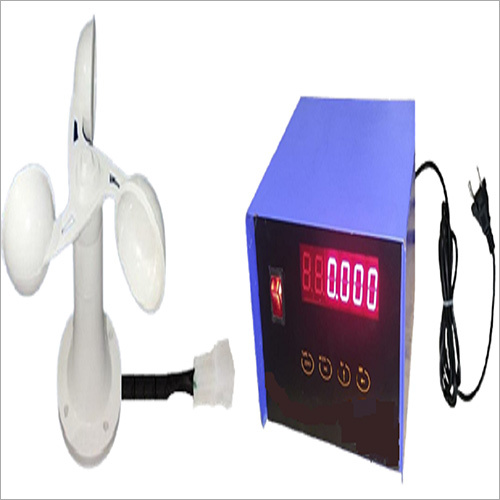
ASIAN Wireless Anemometer / wind speed sensor is mechanical rotate sensor, digital circuits capable of
strong RFI & EMI resistance and automatic temperature compensation are installed inside the sensor, it outputs voltage and current signals by electromagnetic induction, the value and horizontal wind speed are linear relation. Sensor external parts all are madeof alloy material and finish by surface powder coating, featured with water proof, corrosion resisting. Inside and turning position have sealing rings with nice sealing function, stop water, salt fog and dust getting in. ASIAN wind speed sensor is build-in electronic automatic heating system, when temperature falls to under 0C, system will automatic heating, melting ice to prevent external turning parts freeze.
Features:
- Excellent resistance against impact, overload, shock and erosion
- Small and exquisite, easy to take, simple to install
- Alloy material finish, reasonable structure design and nice outlook quality
- Anti-wind load can reach 70m/s
- low wind start
- Surge protection design
- Over Speed Cut off with Alarm
- Working aloft testing and control
- Engineering machine testing and control
- Port and wharf environment testing and control
- Other industrial automation about wind speed and direction testing and control.
Specifications
|
|
|
DC Input
|
24 V DC
|
|
Testing range
|
0.5m/s~50m/s
|
|
Start wind speed
|
≤0.5m/s
|
|
Accuracy
|
0.5m/s (<5m/s)
(3%FS (≥5m/s)
|
|
Working Environment
|
Temperature: -40C~+80C ( 0.5C)
|
|
Limit wind speed
|
Max: 70m/s 30min
|
|
Environmental Protection
|
IP65
|
|
Relay Cut Off
|
Yes
|
|
Over Speed Buzzer
|
Yes
|
|
Warranty
|
1-year warranty.
|
|
Batteries Required
|
No
|
Flexible Installation for Accurate MonitoringMount the anemometer sensor on a tripod or pole for reliable wind measurements in diverse environments. Its sturdy IP54 construction ensures dependable operation during outdoor use, while wireless transmission allows data collection up to 100 meters from the main unit. The backlit LCD makes readings clear in low-light conditions, supporting continuous monitoring day or night.
High Storage Capacity and Convenient Data ExportCapture up to 40,000 wind and environmental data records with ease. When needed, transfer your data through a straightforward CSV or Excel export using the included PC software, compatible with Windows 7, 8, 10, and 11. This seamless process simplifies analysis, reporting, and record-keeping for weather studies, research, or operational planning.
FAQ's of Anemometer Wireless:
Q: How do I set up the wireless anemometer sensor for optimal performance?
A: To set up the anemometer, securely mount the sensor on a tripod or pole in an open outdoor area, ensuring minimal obstacles within 100 meters for effective wireless communication with the main unit. Follow the user manual to pair components and configure your preferred sampling rate.
Q: What data can I collect with this wireless anemometer?
A: This device measures wind speed (0.3 to 45 m/s), wind direction (using the included vane module), and, with an optional attachment, humidity. All values are displayed digitally, with high accuracy and resolution (0.1 m/s).
Q: When should I use the backlight function on the digital LCD display?
A: The backlight is best utilized in low-light conditions such as early mornings, late evenings, or during overcast weather, ensuring clear and legible readings regardless of ambient lighting.
Q: Where can I export and analyze the collected data?
A: Export data effortlessly via PC connectivity, with outputs in CSV or Excel format. Use the compatible software on Windows 7, 8, 10, or 11 systems to analyze, archive, or share your wind measurement records.
Q: What is the process for enabling humidity measurement with this device?
A: To measure humidity, simply attach the optional humidity sensor to the main unit following the instructions provided. The device will automatically include humidity data in its records alongside wind measurements.
Q: What benefits does the 40,000-record memory capacity provide?
A: With a memory capacity of up to 40,000 data points, you can conduct long-term monitoring projects without frequent data downloads, which is especially useful for research, field studies, and continuous environmental assessments.








 Send Inquiry

 Send Inquiry